

Creative Solutions
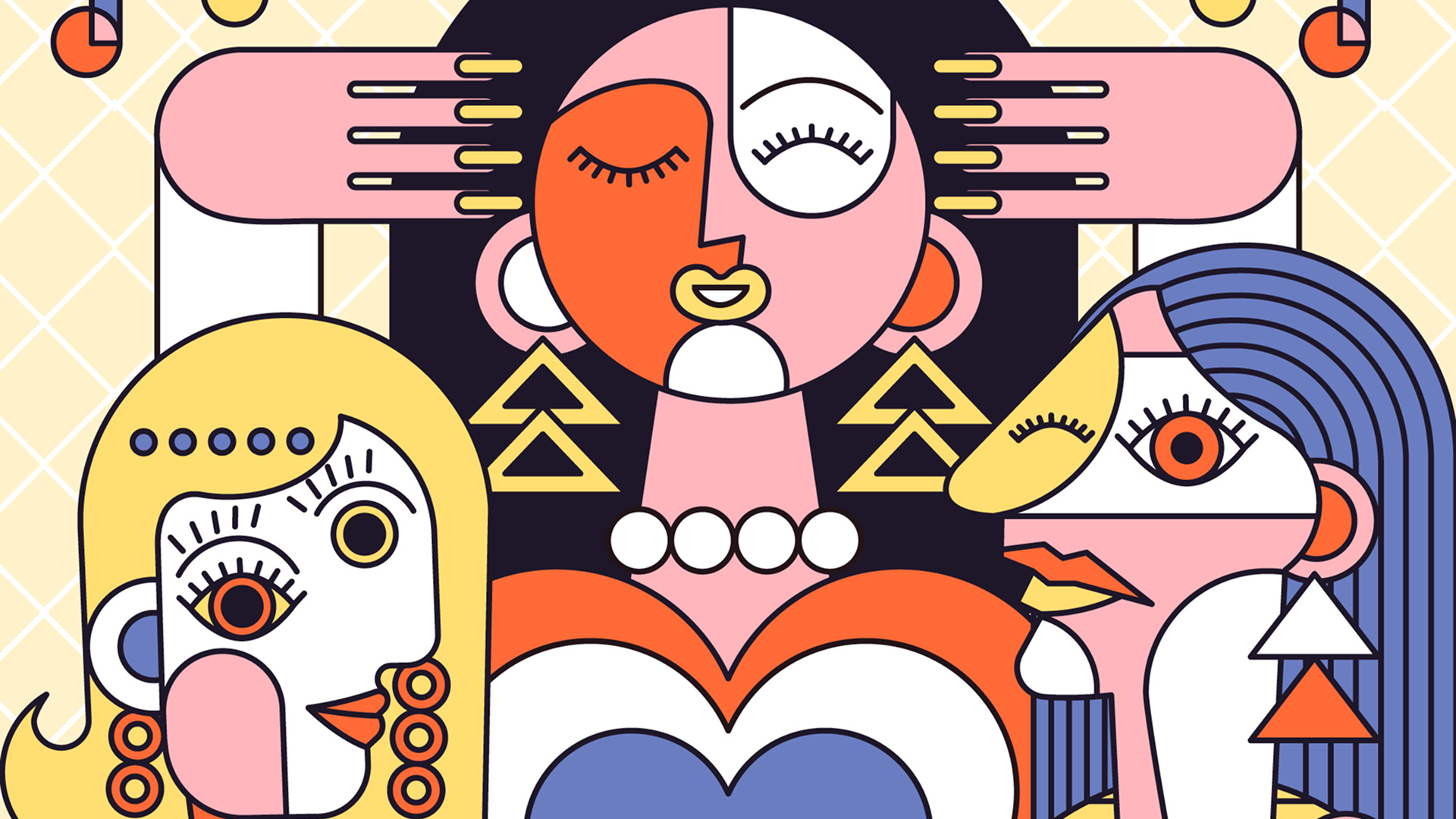
Branding Isn't Your Logo. It Never Was. But in 2026, That Confusion Finally Costs You.
Every few months a founder shows up wanting “a rebrand,” and what they actually mean, nine times out of ten, is a new logo. We get it, a logo is the visible, arguable, easy-to-share-in-ameeting artifact. It’s also the least important decision in the entire branding process, which is an uncomfortable thing to say to someone who’s already picked their favorite from a mood board.
Branding is the sum of every promise your business makes and whether it keeps them, how your team answers the phone, what your onboarding email sounds like, whether your product actually does what your homepage claims, how you handle the customer who’s upset. The logo, the colors, the typeface, that’s the branding’s uniform, not its character. A great uniform on a business that doesn’t deliver just makes the letdown more memorable.
That said, the visual layer is having a genuinely interesting moment right now, and it’s worth understanding why, because the shifts happening in identity design are responses to real pressure, not just aesthetic fashion.
The most obvious one: everything moves now. Static logo files sitting quietly in a brand guideline PDF are increasingly the exception, not the rule. Brands are building identities meant to move, logos that animate, systems designed for video-first platforms and app interfaces rather than print, because that’s where audiences actually encounter them first. If your brand system was designed assuming a business card is its primary use case, it’s designed for a world that’s mostly gone.
The second shift is more of a correction than a trend: the return of texture and imperfection. For a decade, brand design chased a certain flatness clean gradients, geometric icons, a kind of frictionless polish that started to look identical across every industry, because everyone was drawing from the same small set of design tools and templates. As AI-generated visuals make that polish infinitely and instantly reproducible, brands are pulling in the opposite direction: grain, scans, hand-drawn elements, slightly imperfect layouts. Not because imperfection is trendy for its own sake, but because it’s currently one of the few visual signals left that says “an actual person made a decision here.”
Color is shifting too, away from the bright, flat palettes that dominated the last several years and toward deeper, more layered tones, earthy neutrals, richer color stories, palettes that feel considered rather than default. It’s a small thing, but it changes how a brand feels in a crowded feed: warmer, less interchangeable.
The bigger, less visible shift is strategic. Consumers, particularly younger ones, are paying closer attention to what a brand actually stands for and how it handles their data and their trust, not just how it looks. That’s not a design trend you can solve with a moodboard. It requires the brand’s actual behavior to match its stated values, which sounds obvious and is routinely ignored, because it’s harder than picking a font.
And now there’s a new wrinkle nobody had to think about five years ago: AI agents are increasingly the ones filtering, comparing, and recommending products on a person’s behalf. When a chatbot is summarizing your competitors for a customer instead of the customer scrolling through search results themselves, “brand recognition” starts to mean something slightly different, it has to be legible and credible to a system, not just appealing to a human eye. Nobody has this fully figured out yet, including us. But it’s worth building brand foundations, clear positioning, consistent language, genuine differentiation, that hold up
regardless of who, or what, is doing the discovering.
None of this changes the fundamental point. A strong brand is a promise, kept consistently, made visible through design choices that reinforce rather than distract from that promise. The logo is just the part you can point to in a meeting. The actual brand is everything that happens after someone clicks it.